Commercial Waste in Tufnell Park

Commercial Waste Tufnell Park provides business waste removal for offices, shops, hospitality venues, studios and other commercial premises that need regular or one-off clearance support. The service covers mixed office items, packaging, shelving, non-hazardous rubbish and selected specialist materials where they can be handled within the relevant rules. The aim is straightforward: keep your premises clear, organised and ready for day-to-day use without leaving you to manage disposal alone.
We focus on practical waste removal rather than general domestic clearance. That means planning around working hours, access points and the types of material generated by your premises. If you are comparing options, it helps to think about the volume you produce, how often waste builds up and whether you need a recurring arrangement or a single clear-out. Please request a quotation when you are ready to outline the work.
For many businesses, the main question is not simply what can be taken away, but how the removal fits around the building and the working day. Careful segregation, sensible loading and clear communication all matter when waste includes bulky furniture, packaging, paper records or broken fixtures. We can help with those everyday pressures while keeping the process direct and commercially sensible.
Business waste removal for everyday premises
Business waste removal is the core of this service and it is best suited to premises that generate mixed, repeatable waste streams. Typical work can include desks, chairs, cardboard, archived paper, broken stock, display materials and general non-hazardous rubbish. The right approach depends on whether the waste is mainly light and recyclable, bulky and awkward, or a blend of both. A thoughtful sort before removal can reduce unnecessary handling and make the process more efficient.
Different businesses produce different waste patterns, so our service is shaped around the practical tasks rather than a one-size-fits-all method. Offices often need help with clear-outs after reorganisation or refurbishment, while retail sites may need support removing packaging, old fixtures and surplus stock. Hospitality and shared-workspace settings may need a tidy removal that keeps access routes open. When you are planning your request, a brief description of the items and the amount involved is usually enough to start.
If you are comparing service options, it is useful to separate recurring waste streams from occasional bulk items. Routine rubbish tends to be best handled through a consistent collection pattern, while larger jobs may call for a single scheduled visit. A sensible plan keeps the site presentable, avoids unnecessary obstruction and allows the waste to be dealt with in a way that suits the materials involved.
Offices, desks and paperwork clear-outs

Office waste removal often involves more than just bags and bins. Workspaces accumulate obsolete chairs, filing cabinets, monitors, packaging, partition pieces and stacks of paper that need to be handled carefully and lifted without disrupting the building. Where a clear-out is taking place, the job may also include route planning for lifts, stairs and shared corridors so that movement through the site stays orderly. This matters as much as the loading itself, particularly in occupied premises.
Some office waste can be prepared in advance to make removal easier. Documents may need separating from general rubbish, reusable items may need setting aside, and larger furniture may need to be dismantled before collection. If your premises include multiple departments or floors, it is often useful to identify which rooms are being cleared first and which items remain in place. A short written summary helps, especially when there are fragile surfaces or restricted access points.
For businesses that handle confidential records, our confidential shredding service can be a practical companion to office clearance, because paper disposal sometimes needs a more controlled route than general waste. The same is true for obsolete equipment and furniture, which may need to be separated from normal rubbish before loading. Keep the process simple: sort what should stay, what should go, and which items need a specific disposal method. That clarity saves time and avoids confusion on the day.
Furniture, fixtures and bulky items
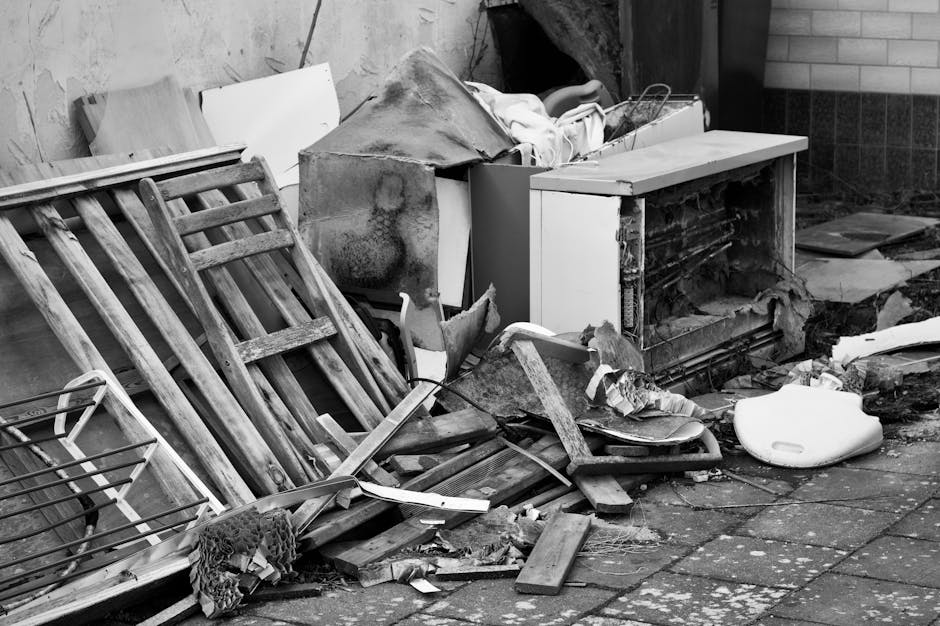
When commercial premises replace desks, shelving, reception seating or other bulky fittings, furniture disposal becomes one of the most useful parts of a waste removal service. Large items are often awkward because they are heavy, difficult to manoeuvre and rarely fit neatly into a standard clearance routine. The work needs to respect the building layout, the item size and any constraints around lifts, stairwells or shared entrances. A clear plan prevents unnecessary disruption.
Our furniture disposal page covers the broader handling of unwanted business furnishings, while furniture clearance is useful where several pieces need removing together from one site or room set. These pages matter because furniture work is rarely just about lifting; it is also about matching the method to the quantity, the access and the type of furniture involved. Chairs, tables and cabinets all present different handling needs.
Where a business is refurbishing or moving, bulky items can be grouped into a single removal plan alongside general waste. That can make the site easier to hand over, but it still helps to separate reusable items from broken ones. If some pieces are going to another location, keep them apart from disposal stock. Clear sorting at source is one of the simplest ways to keep a clearance job efficient and avoid wasted lifting.
Kitchen equipment, appliances and special items
Some premises generate waste that needs more than standard bag collection. Fridges, under-counter appliances, damaged catering equipment and other bulky units require a separate removal plan because they are hard to shift and may have specific disposal considerations. Business premises such as cafés, takeaway outlets, offices and shared kitchens often need this sort of support when equipment reaches the end of its use or is replaced during fit-out work.
If you need appliance-related disposal, our fridge and appliance removal page explains the broader category of work, while hazardous waste disposal is relevant only where items or residues genuinely require a controlled route. Not every appliance falls into that more sensitive group, so it is important to distinguish ordinary unwanted equipment from anything that needs additional care. That distinction keeps the process appropriate and avoids unnecessary complication.
Where several items are being cleared together, it is sensible to decide whether they are going for disposal, recycling or reuse before collection begins. The same applies to mixed back-of-house waste, such as shelving offcuts, worn storage units and packaging from new equipment. If you are unsure how to describe the load, list the items in plain terms and note anything unusual. Simple descriptions are usually enough to prepare an accurate quotation request.
Pricing, scope and what affects the quotation

Commercial waste work is usually priced according to practical factors rather than fixed assumptions. Volume, item type, loading difficulty, access, and any need for careful sorting can all influence the quotation. A small office clear-out with easy access is very different from a multi-room removal with bulky furniture and mixed materials. That is why an accurate description is more useful than a vague estimate: it gives a clearer basis for the work and helps avoid unnecessary revisions.
Our pricing and quotes page is the place to look for broader information about how enquiries are handled, while book online may suit straightforward jobs where the items and access are easy to explain. For customers who want to understand the service framework before deciding, the business waste removal page gives a useful overview of the core work. If you prefer a general reference point first, waste removal outlines the wider service family.
To prepare a useful quotation request, it helps to note the main item groups, the approximate quantity, and any access details such as stairs, loading bays or time restrictions. Two or three photos can be helpful where permitted internally, but a written list still matters because it confirms what is being removed. Use plain terms, identify any fragile or restricted items, and say whether the work is a one-off or part of a regular pattern.
Recycling, segregation and sustainability choices
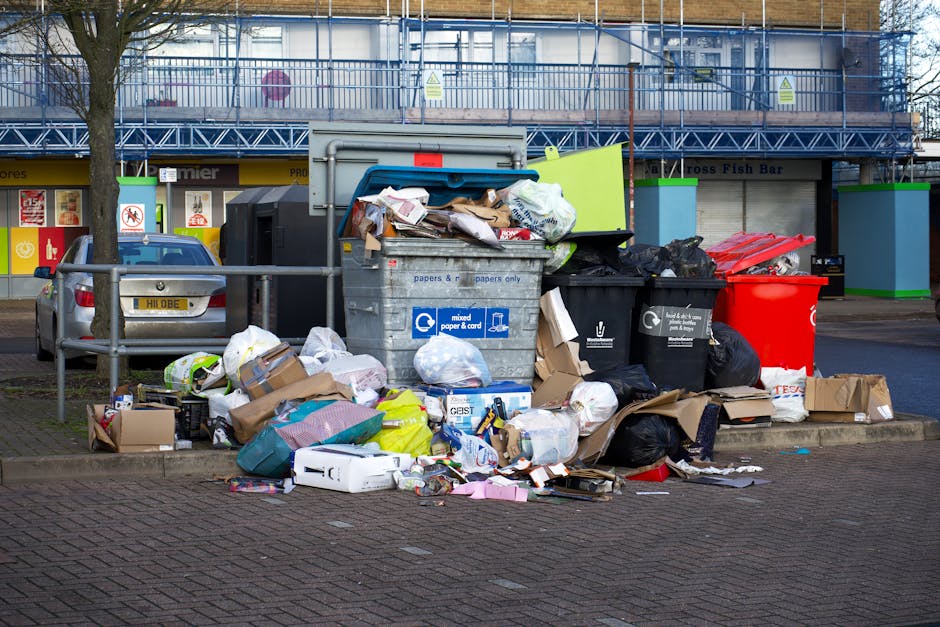
Commercial waste is rarely just one material, so the handling stage often starts with sorting. Paper, cardboard, reusable furniture, mixed rubbish and metal items may each follow different routes depending on what is in the load. For businesses, that makes segregation a practical decision as much as an environmental one, because separating the items properly can reduce confusion and support more responsible disposal. The right setup depends on what your premises generate most often.
For more on the wider approach, see our recycling and sustainability page. It is especially relevant where a business wants to think beyond simple removal and consider how waste streams are organised over time. Good waste handling is not only about taking items away; it is also about deciding whether some materials should be set aside for recycling, whether anything can be reused internally, and whether a mixed load needs to be split into practical categories first.
In everyday commercial settings, a sensible process begins with a basic sort: keep recyclable cardboard together, separate general rubbish, isolate electronic or sensitive items where appropriate, and avoid mixing anything that needs special handling. That makes collection clearer and often reduces the risk of avoidable contamination. Better sorting at the point of origin usually means a neater, more efficient removal.
How larger clearances are handled
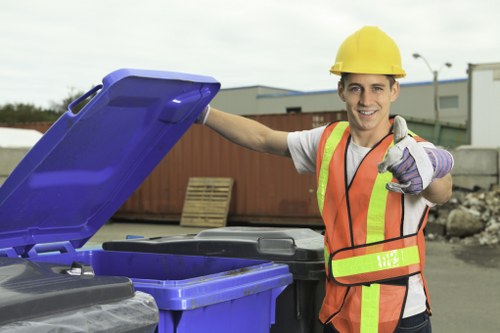
Some commercial jobs are not routine waste collections but fuller clearances. That can happen when premises are being refurbished, handed back, reorganised or stripped of old contents. In those cases, the job may involve multiple item types, repeated trips through the same access route and a more structured sequence of removal. The process is still based on waste handling, but the scale and pace are usually different from a single everyday collection.
For businesses with storage rooms, loft-like voids, basements or back areas that have filled with unwanted items over time, our garage clearance, loft clearance and office clearance pages can help you compare the relevant type of work. Where the site contains a mix of furniture, boxed stock and loose rubbish, a broader home clearance or house clearance style page may be less relevant than a business-specific approach, so it is worth choosing the page that matches the premises and the job properly.
A successful larger clearance usually depends on order. Group the items by room or by category, decide what stays, and make sure entrances are reasonably clear before the work starts. If certain items are delicate, fixed in place or awkward to move, mention them in advance so the plan can account for them. That keeps the work practical and avoids turning a straightforward clearance into a slower, more disruptive job than it needs to be.
About Tufnell Park
Tufnell Park is a London district best known for its residential streets, conservation areas and easy links into both Camden and Islington. The name is used most often for the area around Tufnell Park Road and the Underground station that serves the locality, with the station sitting on the Northern line between Kentish Town and Archway. Much of the built environment reflects late nineteenth- and early twentieth-century expansion, when terraces, villa-style houses and later apartment conversions shaped the streetscape. The area does not have one single centre in the way a historic town might; instead, it feels like a neighbourhood made up of connected streets, corners and small local routes. One of its recognisable edges is the nearby approach to Parliament Hill and Hampstead Heath, which places open green space within relatively short reach of denser urban streets. Local architecture varies from substantial stucco-fronted houses to practical brick terraces, and the street pattern gives the area a settled, lived-in character. Community life is reinforced by small independent businesses, places of worship, schools and everyday transport use, while the surrounding borough context keeps it closely tied to wider north London movement. The area’s identity is therefore a mix of domestic architecture, transport convenience and a calm but distinctly urban atmosphere.
Choosing the right removal plan
The best commercial waste plan is usually the one that fits the way your premises actually operate. A small office may need occasional clear-outs and confidential paper disposal, while a larger mixed-use site may need recurring waste removal with periodic furniture or appliance items added in. Rather than trying to force every job into the same format, it helps to think in terms of daily waste, occasional bulky items and specialist materials. That distinction makes the request easier to describe and the service easier to organise.
Our health and safety policy, insurance and safety page and payment and security information may also be useful if you want to understand the wider service framework before booking. Where a job includes a mix of office furniture, paper, general rubbish and a few awkward pieces, it is often sensible to break the work into categories first and then decide what can be removed together. That gives you a better basis for planning and keeps the site easy to manage.
If you would like to move forward, send a brief description of the items and the access conditions, and then ask for a quotation. For a more structured enquiry, you can also use our contact us page to provide the basic details. A clear, concise request is usually the quickest route to a sensible response.
Commercial support across everyday waste needs
Commercial waste removal is most effective when it matches the way your business generates material, not when it relies on broad assumptions. That is why the service here is built around practical categories such as office waste, furniture disposal, appliance-related items and general business rubbish. Each category has its own handling needs, but the overall goal remains the same: to remove unwanted material cleanly and keep your premises usable.
Some jobs require a single removal; others benefit from a more considered routine. If your business produces regular waste, it may help to think about how often clutter builds up, which items can be separated early and whether there are recurring problem areas such as storage rooms, stock corners or back-office piles. The more specific you can be about the work, the easier it is to prepare a quotation that reflects the real task.
When you are ready, please ask for a quotation and describe the waste in plain language. If you need to compare the broader service range first, the pages above can guide you through the main options. The aim is to make commercial waste management in Tufnell Park clear, practical and easy to arrange.