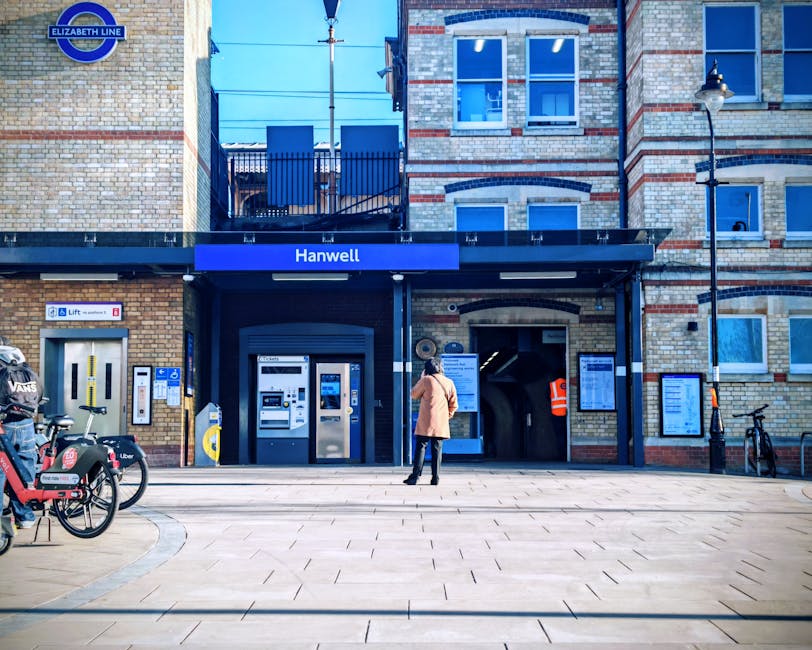
Rubbish removal near Tufnell Park station: a practical local guide for fast, tidy clearances
If you are dealing with bags of unwanted junk, a bulky sofa, renovation debris, or the sort of clutter that quietly spreads from one corner of the flat to the next, rubbish removal near Tufnell Park station can be the simplest way to get your space back. The trick is choosing a service that is fast enough for London life, careful enough for shared buildings, and organised enough to avoid messy surprises. This guide walks you through how it works, what to expect, what to check before you book, and how to make the whole thing feel far less stressful. Truth be told, most people do not need drama here. They just need the rubbish gone.
Why rubbish removal near Tufnell Park station matters
Tufnell Park station sits in a busy part of North London where homes, flats, small businesses, and building projects often sit close together. That makes rubbish removal a little more sensitive than it might be in a quieter suburb. A pile of waste on a narrow street, a blocked hallway in a converted property, or a load of builders' rubble left too long outside can quickly become a problem for neighbours, landlords, and passers-by.
There is also the simple matter of convenience. If you live near the station, you may not have a driveway, a big storage area, or the time to make multiple journeys to a disposal site. A proper clearance service can remove waste in one visit, often from inside the property, which saves a great deal of effort. And for businesses, the pressure is even higher. Offices, cafes, letting agents, and shops usually need rubbish moved quickly and discreetly so work can continue without interruption.
Let's face it: rubbish has a way of becoming more annoying every day it sits there. That old wardrobe in the spare room? It gets in the way. The broken fridge in the hallway? It becomes a negotiation with yourself every morning. The longer it waits, the more it costs you in space, time, and patience.
For a general overview of the kind of services people often use in the area, it can help to start with the main waste removal service and then narrow down to the specific type of clearance you actually need.
Expert summary: Near a station like Tufnell Park, the best rubbish removal service is usually the one that combines speed, access awareness, clear pricing, and sensible disposal practices. Fast is useful. Careful is better. Both together is ideal.
How rubbish removal near Tufnell Park station works
In most cases, rubbish removal is straightforward. You tell the provider what you need removed, share a few details about access and volume, and arrange a collection time. A team arrives, loads the waste, and takes it away for sorting, recycling, or disposal. Simple on paper, but the details matter.
Good services usually ask questions such as:
- What type of waste needs collecting?
- How much space is it taking up?
- Is it on the ground floor, up stairs, or in a loft?
- Do any items need special handling, such as fridges, mattresses, or hazardous materials?
- Is parking nearby or will access be tight?
That last point matters more than people expect. Around station areas, parking and loading can be awkward, and a team that understands local access problems is worth its weight in gold. No one wants a clearance held up because the van cannot stop safely or because a corridor is too narrow to protect walls and door frames.
If you are dealing with furniture, there are dedicated options such as furniture disposal and furniture clearance. For larger domestic jobs, house clearance and home clearance are often a better fit. If it is a flat with stairs, communal entry points, or limited lift access, flat clearance can be the more practical route.
Commercial customers usually need a slightly different approach. Offices, small studios, and shops near the station may want office clearance or business waste removal so desks, packaging, confidential paper waste, and obsolete equipment can be removed with as little disruption as possible.
Key benefits and practical advantages
The obvious benefit is that the rubbish disappears. But the real value goes beyond that.
A tidier property, almost immediately
Once the waste is gone, rooms feel bigger, safer, and easier to use. You notice the extra light. You notice the floor again. It sounds small, but these things change how a property feels. A cluttered flat near the station can quickly feel cramped; a cleared one feels calmer.
Less hassle than hiring a skip in a tight area
Skips can be useful, but around Tufnell Park station they are not always the easiest answer. They need space, permits in many cases, and enough planning to avoid sitting there too long. A collection service can often be more suitable when you want waste gone quickly without storing it outside for days. If you are weighing up your options, the page on what can go in a skip is useful for understanding what items are accepted in skip-style disposal, even if you decide not to go that route.
Better handling of mixed waste
Real-life clearances are rarely neat. A job might include broken chairs, bags of general rubbish, a carpet roll, some cardboard, and a fridge that needs special handling. A proper crew can separate items properly rather than forcing you to sort everything yourself.
Less risk of injury or damage
Heavy lifting, awkward corners, and bulky items are where things go wrong. You know the type of job: "I'll just move this myself" turns into an hour of grunting and a sore back. A professional team reduces that risk and usually works with better lifting practices and insurance cover. For reassurance, it is worth reviewing a provider's insurance and safety information and their health and safety policy.
More responsible disposal
Good waste handlers do not just tip everything into one container. They sort recyclable materials, isolate electricals where required, and handle special waste carefully. That matters if you care about reducing waste going to landfill. It also matters if your business wants to maintain decent environmental standards. The company's recycling and sustainability approach should give you a clearer picture of how materials are handled.
Who this is for and when it makes sense
Rubbish removal near Tufnell Park station is useful for a wider range of people than you might think. It is not only for emergency clearances or people moving house. In practice, it helps anyone who has more waste than they can reasonably manage on their own.
Typical situations include:
- tenants clearing out a flat at the end of a tenancy
- landlords preparing a property for new occupants
- families dealing with a loft, garage, or storage room that has filled up over years
- homeowners replacing furniture or appliances
- small businesses clearing old office equipment and packaging
- builders and tradespeople needing removal of rubble or mixed renovation waste
There are also those in-between jobs that do not fit neatly into one category. Maybe you are not moving, but the spare room has become a storage cave. Maybe you have a garden that needs a reset after months of neglected pots, broken fencing, and branches. In those cases, dedicated services like garage clearance, loft clearance, and garden clearance can be much more precise than a generic junk-removal approach.
If you are handling a renovation, builders waste clearance is often the right choice because construction waste needs practical handling and proper separation. Bricks, plasterboard, timber, and general renovation debris all create different loading and disposal challenges.
Step-by-step guidance
If you want the process to go smoothly, it helps to approach it in a calm, methodical way. No need to overthink it, but a little prep makes a real difference.
- Identify the waste type. Start by separating general rubbish from bulky items, electricals, furniture, and anything potentially hazardous. A rough list is enough at first.
- Estimate the volume. Think in practical terms: one sofa, three bin bags, two wardrobes, half a loft, and so on. Photos help a lot.
- Check access. Note stairs, narrow hallways, lift access, parking limitations, and whether the waste is inside or outside.
- Ask about special items. Fridges, mattresses, sofas, confidential documents, and hazardous waste usually need separate handling. For example, fridge and appliance removal is useful when electrical disposal must be done properly, while mattress and sofa disposal is helpful for bulky household items.
- Request a quote. A good quote should be clear about what is included, how loading works, and whether disposal or labour charges are part of the price.
- Prepare the items. Bag loose rubbish, clear a path, and make sure the team can get to the waste without unnecessary delays.
- Confirm timing. If you need a same-day or next-day visit, say so early. London jobs often run to a tight schedule.
- Review the paperwork. Read the terms, payment details, and collection conditions so there are no surprises later.
That is the basic route. Of course, every property throws in a little curveball now and then. A forgotten cupboard. A broken lock. A resident who did not expect the lift to be out of order. That sort of thing.
Expert tips for better results
After enough clearances, a few patterns become obvious. The jobs that run best are usually the ones that are prepared just enough, not overmanaged.
Group items by type before collection. If you put furniture, bagged rubbish, cardboard, and electricals into separate areas, the team can load faster and avoid confusion. Even a rough sort helps.
Take photos in daylight. Morning or early afternoon photos are usually clearer than dim evening shots. You will notice this especially in halls and basements where lighting can be poor. A slightly blurry photo can lead to a slightly blurry quote, which nobody wants.
Be honest about access. If there are three flights of stairs, say so. If parking is tricky, say so. If the sofa barely fit in the room in the first place, that is useful information. It is better to underpromise and overdeliver than the other way around.
Move pets and children out of the way. Not because the team cannot work safely, but because clearances involve carrying, noise, and open doors. A quick bit of planning keeps everyone calmer.
Ask what happens to reusable items. Not every service handles reuse, but it is reasonable to ask how items are sorted and whether any are diverted for recycling. That question usually tells you a lot about the provider.
Keep one box for essentials. If you are clearing a room that still needs to be used that evening, keep chargers, keys, paperwork, and medicines separate. Sounds obvious, yet people forget it all the time.
For anyone worried about privacy, especially in office or home clearances, a dedicated confidential disposal service such as confidential shredding can be a sensible add-on.
Common mistakes to avoid
The most common mistake is guessing. Guessing the volume, guessing access, guessing what can be taken, guessing that "it's only a small job" so no preparation is needed. Those guesses tend to become expensive later.
- Leaving everything until the last minute. Rubbish removal is easier when you are not rushing around in a panic at 8:30 a.m.
- Not checking restricted items. Hazardous materials, some electricals, and specific waste streams may need separate handling. If in doubt, ask first.
- Forgetting about hidden waste. Under beds, behind cupboards, and in loft corners, junk tends to multiply. A quick scan saves time later.
- Assuming all quotes work the same way. Some prices are based on volume, some on item type, and some on labour plus disposal. Read carefully.
- Blocking access. It might sound minor, but a clear path can shave a surprising amount of time off the job.
- Choosing purely on price. The cheapest quote is not always the best if it excludes loading, has vague terms, or leaves you chasing the team all day.
A small bit of caution goes a long way. It is not glamorous, admittedly, but it saves stress.
Tools, resources and recommendations
You do not need fancy equipment to prepare for rubbish removal, but a few simple tools can help the process run smoothly.
- Sturdy bin bags for loose waste and lighter debris
- Marker pen or labels for separating items you want to keep from items that are going
- Gloves if you are sorting dusty loft or garage items
- Phone camera for quick photos and collection notes
- Tape measure for doors, stairwells, or awkward furniture pieces
For decision-making, the most useful resources are usually the provider pages that explain pricing, payment, and disposal expectations in plain English. If you are comparing services, read pricing and quotes carefully, along with payment and security. That combination tells you a lot about transparency.
If you are dealing with a specific type of waste, the service pages are more practical than a generic clearance page. For example, furniture clearance for mixed household items, garage clearance for heavily stored spaces, or office clearance for desks, chairs, and paper waste.
And if you want to understand the provider a bit better before booking, the about us page is often a good place to get a feel for how they work. Small detail, but it matters when you are letting people into your property.
Law, compliance, standards, or best practice
When rubbish removal involves household waste, business waste, electrical items, or potentially hazardous materials, the main thing is to use a service that follows normal UK waste-handling expectations. You do not need to memorise legislation to make a good choice, but you should expect the provider to take waste seriously rather than treating it like an afterthought.
For ordinary customers, the key best-practice points are simple:
- waste should be handled safely and not dumped illegally
- items should be sorted where practical for reuse or recycling
- hazardous materials should be separated and handled with care
- confidential materials should be protected where necessary
- the provider should explain what is included in the service
If your job includes chemicals, oils, sharp materials, or anything that could be harmful, it is wise to use a dedicated hazardous waste disposal service rather than assuming it can go with general rubbish. That is one of those "better safe than sorry" situations. Very much so.
Businesses should be a little more careful still. Office and commercial waste may involve GDPR concerns, manual handling risks, and building access rules. A provider should be able to explain how they protect data where relevant, which is why confidentiality services and clear internal processes matter. If a company cannot answer basic questions clearly, that is a bit of a red flag.
It is also worth checking that the provider is clear on complaints handling and terms. Those pages are not glamorous reading, but they often reveal how a company behaves when something does not go perfectly. And something always goes a little sideways now and then. That is just life.
Options, methods, or comparison table
There are a few common ways to get rubbish removed near Tufnell Park station. The right option depends on volume, access, item type, and how quickly you need the space cleared.
| Method | Best for | Advantages | Watch-outs |
|---|---|---|---|
| Man and van style rubbish removal | Mixed household waste, bulky items, quick clearances | Fast, flexible, usually handled from inside the property | Pricing and access details need to be clear in advance |
| Skip hire | Longer projects, builders' debris, ongoing waste generation | Useful for repeated loading over time | Needs space and often permits; waste sits on-site |
| Specialist item collection | Fridges, mattresses, sofas, appliances, confidential items | Better handling of specific waste types | May require separate booking or category-specific pricing |
| Full clearance service | Flats, houses, lofts, garages, offices, or major declutters | Efficient for larger jobs and multi-room clearances | Needs accurate information for the best quote |
For many local jobs, a clearance team is the most practical choice because it reduces friction. You are not left managing a skip, chasing neighbours about space, or lugging items down stairs yourself. That alone makes a difference on a rainy Tuesday morning, which London has a habit of producing.
Case study or real-world example
Here is a realistic example. A couple in a flat near Tufnell Park station had been putting off a clear-out for months. The spare room had become storage for an old sofa, two broken bedside tables, bags of clothes, a fridge they no longer used, and a few boxes that had somehow remained untouched since a previous move. Nothing dramatic. Just life piling up.
They started by taking photos, then separated items into keep, donate, recycle, and remove piles. The fridge was flagged in advance, which mattered because appliance removal is not the same as ordinary furniture disposal. The team arrived, checked access through the stairwell, and protected the route on the way out. The whole thing took far less time than they expected, mainly because the prep was done properly.
The interesting part was not the removal itself. It was the feeling afterwards. They said the room felt calmer immediately, which is a very familiar reaction. Once the clutter goes, the brain seems to exhale a little. That may sound soft, but it is true enough. Space changes mood.
And for a more complex property, the same approach works. A flat clearance, a garage clear-out, or a home reset all benefit from the same principles: sort a little beforehand, disclose access issues, and be clear about any special items.
Practical checklist
Use this quick checklist before booking rubbish removal near Tufnell Park station.
- List the main items you want removed
- Separate general rubbish from furniture, electricals, and special waste
- Take a few clear photos in good light
- Measure any very large items if access is tight
- Check whether stairs, lifts, or parking could cause delays
- Ask how pricing works and what is included
- Confirm whether mattress, appliance, or hazardous items need special handling
- Read the terms and payment details before you agree
- Move valuables and essentials out of the way
- Make sure the waste is ready at the agreed time
If you want a neater booking process, you can also use book online once you have the details ready. That tends to save time and keeps everything in one place.
Conclusion
Rubbish removal near Tufnell Park station is really about restoring order without turning your week upside down. The best outcomes come from clear information, realistic planning, and a service that understands local access, mixed waste, and the practical pressures of a busy London neighbourhood. Whether you are clearing a flat, dealing with renovation debris, or finally sorting out the garage, the process should feel manageable, not chaotic.
Choose the right service type, prepare the items sensibly, and ask a few direct questions before booking. That usually gets you most of the way there. And if you are ready to stop staring at the pile and start enjoying the space again, that is a good moment to act.
Get a free quote today and see how much you can save.
Sometimes the best kind of progress is the kind you can see on the floor by the end of the day.
Frequently Asked Questions
What type of rubbish can be collected near Tufnell Park station?
Most general household rubbish, furniture, bagged waste, garden debris, appliances, and renovation waste can usually be collected, though special items may need separate handling. It is best to describe everything upfront so the team can advise properly.
Is same-day rubbish removal available?
Often, yes, depending on schedule and access. If you need a quick turnaround, ask as early as possible. Same-day jobs are more realistic when you can send photos and confirm the waste type quickly.
Do I need to move the rubbish outside before collection?
Not always. Many services collect from inside the property, which is especially useful for flats, upper floors, and narrow London streets. That said, easy access always helps.
How do I know whether I need a flat clearance or general waste removal service?
If the job involves clearing multiple rooms, a whole flat, or a property after a tenancy, a flat clearance service is usually more appropriate. For smaller mixed loads, general waste removal may be enough.
Can bulky furniture like sofas and wardrobes be taken away?
Yes, bulky furniture is commonly collected. For sofas specifically, a dedicated mattress and sofa disposal or furniture service may be the most efficient option, depending on the item and quantity.
What happens to the waste after collection?
Reputable services sort waste for recycling, reuse, or disposal according to the material type. Mixed waste is not all treated the same way, and responsible handling matters.
How much does rubbish removal near Tufnell Park station cost?
Costs vary by volume, item type, access, and whether any special waste is involved. Quotes are usually clearer when you provide photos and a simple description of the load.
Can you remove appliances like fridges and freezers?
Yes, but appliances are usually treated as a specific collection category. For example, fridge and appliance removal is the safer route for electricals that need proper handling.
Is hazardous waste included in standard rubbish removal?
Usually not. Hazardous waste should be identified separately and handled through a dedicated service. If you are unsure whether something counts as hazardous, ask before booking.
What should I do before the team arrives?
Make a simple list of what is going, clear a path, keep essential items out of the way, and confirm access details. A few minutes of preparation can make the collection quicker and smoother.
Are business waste collections different from home collections?
Yes. Business waste often needs more attention to timing, confidentiality, and building access. Offices, shops, and studios may benefit from business waste removal or office clearance rather than a general household service.
What is the best way to compare providers?
Look at the clarity of the quote, how they explain access and pricing, whether they discuss safety and insurance, and how well they handle special waste. A transparent provider is usually easier to deal with from start to finish.
For questions about how a provider works, their standards, or what to expect from the booking process, you can also review the complaints procedure and other service information before deciding. That little bit of reading can save headaches later.