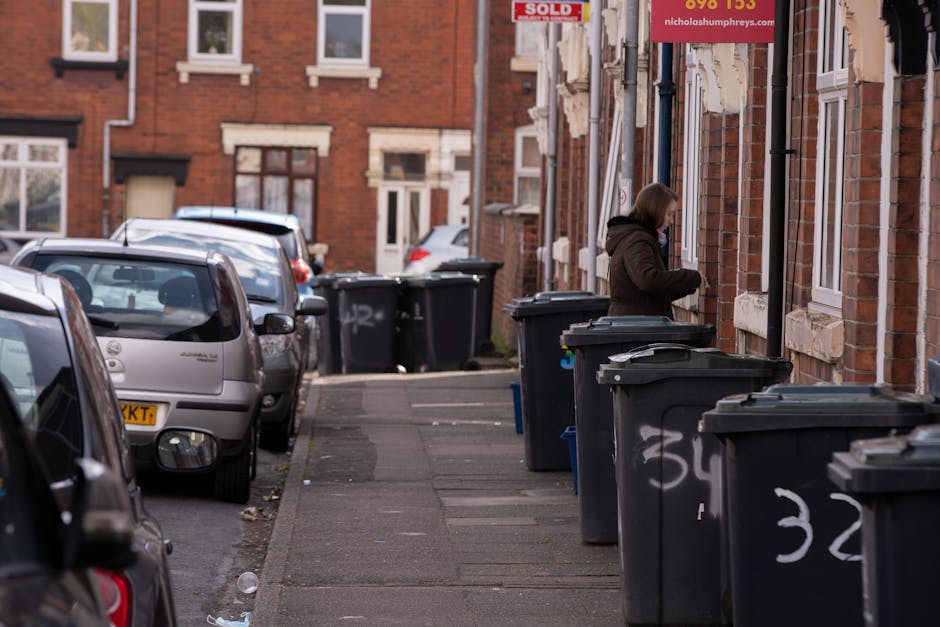
Affordable rubbish removal on Junction Road Tufnell Park
If you are staring at a pile of unwanted furniture, mixed bags, builder's debris, or the sort of clutter that quietly grows in a hallway until one day you can barely pass through it, you are not alone. Affordable rubbish removal on Junction Road Tufnell Park is usually less about a dramatic clear-out and more about getting life back to normal without overspending, overthinking, or spending your Saturday sweating over the kerb. The good news? With the right approach, rubbish removal can be quick, tidy, and surprisingly straightforward.
Junction Road sits in a busy part of north London, so convenience matters. People want collections that fit around tight schedules, awkward access, and real-world homes and businesses. They also want fairness: clear pricing, careful handling, and a team that knows what can be removed, what needs special treatment, and how to leave the place decent afterwards. This guide walks you through the practical side of it all, from what affects cost to how to avoid common mistakes, so you can make a sensible choice with confidence.
Table of Contents
- Why Affordable rubbish removal on Junction Road Tufnell Park Matters
- How Affordable rubbish removal on Junction Road Tufnell Park Works
- Key Benefits and Practical Advantages
- Who This Is For and When It Makes Sense
- Step-by-Step Guidance
- Expert Tips for Better Results
- Common Mistakes to Avoid
- Tools, Resources and Recommendations
- Law, Compliance, Standards, or Best Practice
- Options, Methods, or Comparison Table
- Case Study or Real-World Example
- Practical Checklist
- Conclusion
- Frequently Asked Questions
Why Affordable rubbish removal on Junction Road Tufnell Park Matters
Let's face it: rubbish has a way of becoming more annoying the longer it sits there. A broken wardrobe leans in the corner, a few renovation offcuts collect dust near the front door, and suddenly the room feels smaller, messier, and harder to use. In a place like Junction Road, where people often deal with flats, terraces, shops, studios, and busy shared buildings, a good rubbish removal service saves more than time. It protects your space, keeps access clear, and stops clutter from turning into a daily headache.
Affordability matters too, but not in the "cheapest possible at any cost" sense. True value is getting the job done properly, without surprise charges, unsafe lifting, or a collection that leaves crumbs, splinters, and frustration behind. If you are clearing a flat between tenancies, finishing a refurbishment, or simply reclaiming a garage that has become a very expensive storage unit, a well-planned service can be the difference between a smooth day and a messy one.
There is also a practical local angle. Junction Road traffic, parking pressure, and shared access can complicate removals if they are not planned carefully. A team that understands the rhythm of the area can work around those small obstacles without making a fuss. That sort of local awareness sounds minor, but honestly, it makes a big difference when the van is outside and time is ticking.
Expert summary: Affordable rubbish removal is not just about low price. It is about predictable pricing, efficient collection, proper disposal, and a service that respects your home, business, and neighbours.
How Affordable rubbish removal on Junction Road Tufnell Park Works
The process is usually simpler than people expect. Most services follow a similar pattern: you explain what needs to go, the provider estimates the volume or type of waste, a collection time is arranged, and the team removes the items from your property. For many customers, that is the whole story. No hiring a skip, no permits to think about, no repeated trips to the tip, no trying to fit a mattress into the back of a car at an awkward angle. A small mercy, really.
In practice, the service may be priced by load size, item type, labour involved, or a combination of all three. Heavy, bulky, or difficult items can cost more than light mixed rubbish because they take longer to move and may need special handling. Access also matters. A ground-floor collection with easy parking is a different job from carrying items down narrow stairs from a top-floor flat. That is normal.
Many people use a rubbish removal service for one-off clearances, but it can also work well for repeat needs. Tradespeople may need builders' waste removed after a job. Landlords may need post-tenancy clearance. Small offices may need old desks, storage units, and confidential paperwork dealt with in one sweep. If your waste stream is mixed, services like general waste removal can be a useful fit, while more specific jobs may call for options such as furniture disposal or builders waste clearance.
One thing worth saying clearly: you should always describe your waste honestly. If you say "a few bags" and it turns out to be a mattress, a broken fridge, and half a shed, the collection may need to be re-quoted. Not because anyone is being difficult, but because disposal, lifting, and recycling routes can differ quite a bit.
Key Benefits and Practical Advantages
The main appeal is obvious: you save time and effort. But the real benefits go a bit deeper than that. A good rubbish removal service can reduce stress, lower the risk of injury, improve the appearance of your property, and help you deal with waste in a responsible way.
- Fast turnaround: Useful when you are moving, refurbishing, or preparing for an inspection.
- No heavy lifting for you: Handy if the items are awkward, bulky, or tucked away upstairs.
- Better for tight spaces: Particularly relevant for Junction Road flats, basement rooms, and properties with awkward access.
- Flexible loading: You can remove mixed waste without sorting everything into separate containers first.
- Cleaner finish: A proper clearance leaves the space usable, not half-done.
- Potential recycling benefits: Reputable operators usually separate reusable or recyclable items where possible.
There is a comfort factor too. When you know the waste is being handled by someone who understands sorting, loading, and disposal routes, the job feels less overwhelming. That matters more than people admit. Clutter can be quietly draining. You walk past it every day and it keeps reminding you of unfinished tasks. Clear it once, and the room feels different. Lighter, somehow.
For homes, the benefit is often about reclaiming space. For businesses, it is about keeping operations tidy and compliant. For landlords and agents, it is about turning a property around quickly between occupancies. Different pressures, same basic outcome: a cleaner, more workable space.
Who This Is For and When It Makes Sense
Affordable rubbish removal on Junction Road Tufnell Park is useful for more people than you might think. It is not just for major renovations or huge house moves. In fact, some of the most common jobs are fairly modest.
- Homeowners clearing lofts, sheds, spare rooms, or garden clutter.
- Tenants who need to leave a property tidy at the end of a tenancy.
- Landlords and letting agents handling end-of-tenancy leftovers.
- Tradespeople needing quick removal of construction or refurbishment waste.
- Small businesses dealing with old office furniture, packaging, or stockroom waste.
- People downsizing and deciding what stays, what goes, and what can be donated or recycled.
It also makes sense when you need to clear things gradually but do not want a skip sitting outside for days. Some streets and properties simply are not ideal for that. A collection service can be neater, quicker, and far less disruptive. To be fair, that's often the deciding factor.
If you are clearing out specific item types, dedicated services can be a better fit. For example, a mix of bulky home items may suit house clearance, while a smaller move or shared building might call for flat clearance. Outdoor mess after a garden tidy-up is a different job again, so garden clearance may be the more sensible route.
Step-by-Step Guidance
If you want the smoothest possible experience, a little preparation helps. You do not need to stage the whole place like a showroom. Just follow a simple process.
- Walk through the space. Identify what actually needs to go. Be honest about size, weight, and quantity.
- Separate obvious categories. Keep furniture, green waste, electrical items, and general rubbish apart if practical.
- Check for anything restricted. Some items may need special handling, especially hazardous materials or certain electricals.
- Make access easy. Move smaller loose bits away from doors and corridors, and note any parking or stair issues.
- Ask for clear pricing. A good quote should explain what is included and whether labour, disposal, or access affects the final cost.
- Confirm the collection window. Ask what time to expect the team and whether there is a call ahead.
- Keep valuables and documents separate. That one sounds obvious until it isn't.
- Inspect the space after collection. A final check means you can spot anything missed while the team is still there.
If your clear-out includes bulky household pieces, you may want to look at specialist pages such as mattress and sofa disposal or fridge and appliance removal. Those items are common, but they are not always treated like ordinary bagged rubbish. Different materials, different routes, different rules.
And yes, measure the doorway if you are unsure. You would be surprised how often a sofa looks perfectly manageable until it reaches the staircase and suddenly develops a personality problem.
Expert Tips for Better Results
Experience teaches a few simple things. First, sort before the collection if you can. Even a rough separation of items saves time and can reduce labour. Second, be specific in your description. "Mixed waste" is fine, but "mixed waste including two wardrobes, one fridge, and six black bags" is much better. Third, be realistic about access. Narrow entrances, parking restrictions, and stairs can all affect the job.
Here are a few other practical tips that help people save money without cutting corners:
- Bundle jobs together where possible. One collection is often better value than several small ones.
- Reuse or donate usable items first. It keeps waste volumes down and feels better, too.
- Keep hazardous items separate. Don't mix paint tins, chemicals, and general rubbish unless the provider tells you it is acceptable.
- Prepare the loading path. Clear rugs, toys, loose cables, and anything likely to trip someone.
- Ask about recycling practices. It is a good sign when a provider can explain what happens after collection.
If you are comparing providers, look beyond the headline price. Ask what is included, whether there are extra labour charges, and how they handle recycling. A slightly higher quote can still be better value if it avoids a surprise fee or a rushed, careless job. That's the sort of detail people remember afterwards.
You should also pay attention to trust signals. Clear terms, sensible payment options, and visible policies all help. Useful pages to review include pricing and quotes, payment and security, and insurance and safety. They help you judge whether a company is organised or just winging it. And nobody wants a winging-it removal crew.
Common Mistakes to Avoid
Most problems with rubbish removal come from poor preparation or vague expectations. The actual collection is often the easy part.
- Underestimating volume: A few bags can turn into a van load faster than expected.
- Forgetting access issues: Parking, gates, stairs, and lifts all matter.
- Mixing restricted waste into general rubbish: This can slow things down or create extra charges.
- Not checking what is included in the price: "Cheap" is less appealing when add-ons appear later.
- Leaving sorting until collection day: That usually creates a scramble.
- Ignoring recycling opportunities: Usable items do not always need to be treated as waste.
Another common one is assuming every service handles every item. They do not. Some waste needs specialist disposal, and a responsible provider should say so rather than pretending otherwise. If you have anything unusual, fragile, heavy, or potentially risky, mention it early. It saves everyone time and avoids those awkward "oh, that" moments when the team arrives.
Tools, Resources and Recommendations
You do not need fancy tools, but a few simple items make the process smoother. A marker pen, sturdy sacks, packing tape, gloves, and a trolley or sack truck can all help. If you are sorting a loft, garage, or office store room, a torch and a notebook are surprisingly useful too. Half the battle is simply seeing what is there.
For more structured planning, these pages can help you think through the job before you book:
- home clearance for general domestic clean-outs
- loft clearance for hard-to-reach storage spaces
- garage clearance for bulky, mixed items
- office clearance for business furniture and workspace waste
- recycling and sustainability if you want to understand greener disposal habits
If you are unsure what can be taken in one go and what might need separate handling, the page on what can go in a skip is still useful as a general guide, even if you are not hiring a skip. It helps you think in terms of waste categories, which is usually where people get stuck.
For sensitive material, confidential documents, or old records, a service like confidential shredding can be the safer option. It is particularly relevant for offices, landlords, and anyone clearing files from a home workspace. It sounds niche until you actually need it. Then it feels obvious.
Law, Compliance, Standards, or Best Practice
Waste disposal in the UK is an area where common sense and compliance overlap. You do not need to memorise legislation to make a sensible decision, but it helps to understand the broad expectation: waste should be collected, transported, and processed responsibly by people who know what they are doing.
For householders, the practical point is simple. Do not leave rubbish out in a way that creates an obstruction or nuisance, and do not assume all waste can be treated the same. For businesses, the bar is higher. You need proper records, careful handling, and confidence that your waste is being dealt with appropriately. That is one reason many companies prefer a provider that can explain its procedures clearly.
Best practice usually includes:
- clear item description before collection
- separation of hazardous or specialist waste where needed
- safe lifting and loading methods
- appropriate recycling or disposal routes
- transparent pricing and terms
If you are dealing with items that may be hazardous, do not guess. Ask first. Products containing chemicals, sharp materials, pressurised containers, or other risky contents need extra care. The page on hazardous waste disposal is useful here because it reinforces the idea that not everything belongs in a standard clearance. Better to pause and check than to create a problem later.
Likewise, if a job involves regular business waste, it is worth reviewing business waste removal and the provider's own health and safety policy. That gives you a better sense of how seriously they treat safe working practices. It's not glamorous, no, but it matters.
Options, Methods, or Comparison Table
There are usually three practical ways to deal with rubbish on Junction Road: a man and van style collection, a skip, or self-haul to a waste facility. Which is best depends on volume, access, time, and how much lifting you want to do yourself.
| Option | Best for | Pros | Trade-offs |
|---|---|---|---|
| Rubbish removal collection | Mixed waste, bulky items, quick clearances | Fast, convenient, no skip permit, minimal effort | Price can rise with volume or difficult access |
| Skip hire | Ongoing renovation waste, larger projects | Good for repeated loading over time | Needs space, may need permits, you load it yourself |
| Self-haul | Small loads, people with transport and time | Can be cost-effective for tiny amounts | Time-consuming, physically demanding, less convenient |
For many Junction Road properties, the collection option is the neatest. Space is often limited, parking can be awkward, and people usually want the job done in one visit rather than managing a container outside for days. If the waste is mostly builders' rubble or you have a long project, a skip may still be sensible. But if the load is mixed or you need flexibility, collection tends to win.
There is no universal "best" choice. The right answer is the one that fits your access, budget, and timeline. Simple as that.
Case Study or Real-World Example
A fairly typical Junction Road scenario goes like this. A tenant is moving out of a compact flat and needs a broken bed frame, a tired sofa, several bags of old clothes, and a small pile of kitchen bits removed before the final inspection. The lift is small, the hallway is narrow, and parking is tight for most of the day. They do not want a skip outside and they definitely do not want to make five runs in a borrowed car.
In that kind of situation, a collection-based rubbish removal service is usually the cleanest solution. The items are described in advance, the access is explained properly, and the team arrives ready to remove the lot without blocking the building any longer than necessary. If the provider also separates reusable or recyclable items, so much the better. The flat is left clear, the tenant is less stressed, and the landlord gets the space back in good order.
Another common version involves a small office or studio on the street. Old chairs, packaging waste, and outdated storage units start taking over the room. A single organised clearance can restore usable space quickly, which matters if the team is growing or a deadline is looming. That sense of relief when the clutter is gone? Very real. You can hear the room again, almost.
Practical Checklist
Before you book, run through this checklist. It keeps the process simple and reduces the chance of surprises.
- Have you listed everything that needs removing?
- Have you checked whether any items need special handling?
- Is access to the property clear and realistic?
- Have you asked for a quote that explains what is included?
- Do you know whether the job is for household, business, or mixed waste?
- Are valuables, paperwork, and personal items set aside?
- Have you separated anything reusable or recyclable?
- Do you understand the collection time and arrival process?
- Have you confirmed payment terms and security details?
- Are you comfortable with the provider's policies and insurance arrangements?
If you are still refining the job details, reviewing the provider's pages on about us and terms and conditions can be helpful too. They give you a better sense of how the service is run and what to expect. That transparency matters more than people think, especially when you are handing over access to a property.
One more small thing: take a quick photo of the waste before collection if you are unsure about what was agreed. It is a simple habit, but it can prevent misunderstandings. Old-school? Maybe. Useful? Absolutely.
Conclusion
Affordable rubbish removal on Junction Road Tufnell Park is about more than getting rid of junk. It is about making a tight, busy London location work for you, not against you. When you choose a service that is clear on pricing, careful with handling, and realistic about access, the whole process becomes much easier than people expect.
Whether you are clearing a flat, tackling a loft, removing old furniture, or dealing with office waste, the best results usually come from a little preparation and a provider that communicates properly. Keep the job specific, ask sensible questions, and look for value rather than just the lowest headline number. That way, you get a cleaner result and far less stress along the way.
Get a free quote today and see how much you can save.
And when the last bag is gone and the space feels open again, it is a quiet kind of relief, but a real one.
Frequently Asked Questions
How much does rubbish removal on Junction Road Tufnell Park usually cost?
Costs usually depend on the volume, weight, type of waste, and how easy it is to access the property. Bulky furniture or awkward stair carries can increase the price. The most reliable approach is to request a clear quote based on your actual items rather than guessing from a rough photo.
Is rubbish removal cheaper than hiring a skip?
Sometimes yes, sometimes no. If you have a mixed load, limited space, or need someone to do the lifting, rubbish removal can be better value. A skip may suit larger renovation jobs where waste builds up over several days. The best option depends on your access and how much effort you want to put in.
What types of waste can be collected?
Most general household and commercial waste can be collected, along with bulky items such as furniture and appliances. However, some materials need special handling, especially hazardous items. Always describe your waste clearly before booking so you know what the service can and cannot take.
Can I book a same-day collection?
Often, yes, if the provider has availability. Same-day rubbish removal is especially useful when you are under time pressure, moving out, or trying to clear a space quickly. It is best to call or enquire early in the day because slots can fill up fast.
Do I need to move the rubbish outside before collection?
Not usually. Many collection services will remove items from inside the property, which is one of the main reasons people choose them. That said, making access easy and clearing the route helps the team work faster and keeps the job efficient.
What if I have a lot of mixed household items?
Mixed loads are common. Just describe them honestly and be as specific as you can. A service such as house clearance or home clearance may be more suitable if the job involves multiple rooms or a full property clear-out.
Are fridges, mattresses, and sofas treated differently?
Yes, often they are. These items can require separate handling, transport, or disposal routes. It is sensible to mention them in advance and check whether a specialist service is needed, such as fridge and appliance removal or mattress and sofa disposal.
Is rubbish removal suitable for landlords and letting agents?
Very much so. It is a practical way to clear out left-behind items between tenancies, restore a property quickly, and get it ready for cleaning or maintenance. For larger jobs, a structured clearance service can save a lot of time and back-and-forth.
How do I know if a provider is trustworthy?
Look for clear pricing, sensible communication, and straightforward policies on payment, safety, and insurance. If a company can explain how it handles waste and what is included in the quote, that is a good sign. Vague answers are usually a warning sign.
What should I do with hazardous or unusual waste?
Do not mix it in with general rubbish. Mention it separately and ask for advice before booking. Hazardous items can include chemicals, certain liquids, and other materials that need careful handling. When in doubt, pause and check first.
Can rubbish removal help with recycling?
Yes. A responsible provider will usually separate recyclable or reusable items where possible. That does not mean everything gets recycled, but it does mean the process can be more considerate than simply throwing everything into one pile. It is worth asking about recycling and sustainability if that matters to you.
What is the best way to prepare for collection day?
Make a list of items, clear a path to them, separate anything valuable or confidential, and tell the provider about access issues in advance. A little prep goes a long way. The whole job tends to feel calmer when nothing is left to chance.