Tufnell Park Shop Rubbish Removal Case Study: Real Cost Saved
If you run a shop in Tufnell Park, rubbish can become one of those invisible problems that quietly eats time, floor space, and money. One morning it is a few cardboard bundles and broken shelving. A week later, it is a back room you can barely walk through. This case study on Tufnell Park shop rubbish removal case study real cost saved looks at how a local retail clear-out can reduce disposal spend, lower disruption, and make the whole job feel manageable rather than chaotic.
We will walk through what happened, why the savings were real, how the process typically works, and which decisions made the biggest difference. If you are comparing waste clearance options, trying to avoid paying twice, or just want a clearer picture before booking, this should help. No drama. Just the kind of practical detail you wish someone had explained earlier.
Table of Contents
- Why Tufnell Park shop rubbish removal case study real cost saved Matters
- How Tufnell Park shop rubbish removal case study real cost saved Works
- Key Benefits and Practical Advantages
- Who This Is For and When It Makes Sense
- Step-by-Step Guidance
- Expert Tips for Better Results
- Common Mistakes to Avoid
- Tools, Resources and Recommendations
- Law, Compliance, Standards, or Best Practice
- Options, Methods, or Comparison Table
- Case Study or Real-World Example
- Practical Checklist
- Conclusion
- Frequently Asked Questions
Why Tufnell Park shop rubbish removal case study real cost saved Matters
Retail waste is different from household clutter. It arrives in bursts, usually tied to deliveries, seasonal changes, refits, stock damage, or a quick business pivot that was supposed to be simple. In a compact commercial area like Tufnell Park, even a modest amount of shop rubbish can become awkward fast. It blocks stockroom access, slows staff down, and makes the premises look scruffier than they should.
The real cost saved is not only the invoice total. It is the avoided cost of staff time, repeat visits, rental of a skip that sits half empty, and the hidden headache of sorting mixed waste later. Truth be told, many businesses only notice the damage when the back room is already a mess and the delivery driver is waiting at the kerb. Not ideal.
There is also a customer-facing angle. A clean shop floor, tidy storage area, and fast removal of old fixtures can support trading more than people expect. You may not see the benefit on day one, but you will feel it in the week after. Less clutter, smoother stock movement, fewer awkward trips over packaging, and fewer "we will deal with that later" moments.
If your waste includes furniture, damaged display units, or bulky stockroom items, it can be useful to compare general rubbish removal with more specific services such as furniture disposal or office clearance. Retail premises often overlap with both.
How Tufnell Park shop rubbish removal case study real cost saved Works
The basic process is straightforward, but the savings come from doing the details properly. A shop waste removal job normally starts with a quick assessment of the waste mix: cardboard, broken displays, plastic wrap, old shelving, packaging, redundant stock, electrical items, and anything that needs separate handling. That first look matters because mixed loads tend to cost more if they are not planned well.
In a practical sense, the crew arrives, confirms access, and removes the items in one visit where possible. If the waste is sorted sensibly beforehand, the load can often be completed faster and with fewer surprises. Fewer surprises usually means a better price, and everyone sleeps easier. Small miracle, really.
A useful cost-saving approach is to separate obvious categories before collection day:
- cardboard and soft packaging
- bulky shop fittings
- broken furniture or counters
- electricals and appliances
- confidential documents
- unusual or restricted waste
Where possible, some of those streams can be handled more efficiently if they are not mixed together. For example, a shop clearing out a display fridge or a broken undercounter unit may need a dedicated appliance route rather than treating everything as general rubbish. If that sounds familiar, fridge and appliance removal can be a helpful fit.
There is also the question of timing. A weekday morning before trading starts is often better than a mid-afternoon slot when staff and customers are moving through the space. The job itself may take less time simply because access is better. Less waiting, fewer interruptions, and no one trying to stack waste around a till area. Not glamorous, but it saves money.
Key Benefits and Practical Advantages
The obvious benefit is cost control, but there is more going on under the bonnet. Shop rubbish removal can improve trading conditions in a way that is hard to measure yet easy to notice. You walk in, and the place breathes again. There is room to move, stock is visible, and the team is not constantly stepping around unused boxes.
Here are the main advantages:
- Lower total disposal spend when waste is loaded efficiently and sorted sensibly.
- Faster turnaround compared with leaving waste in place for multiple days.
- Reduced staff disruption because fewer people need to spend time moving rubbish.
- Better use of retail space after bulky waste is removed.
- Cleaner presentation for customers, suppliers, and inspectors.
- Better recycling outcomes where materials are separated properly.
There is a business benefit that gets overlooked: mental bandwidth. People in small shops often wear too many hats already. When the waste is gone, the whole team can focus on sales, service, or the next delivery instead of trying to figure out where to put a pile of old stuff. That matters more than it sounds.
For businesses that produce steady commercial waste, it can make sense to look at a broader waste routine rather than one-off clearances. A service such as business waste removal can support ongoing needs, while a one-time shop clear-out handles the bigger reset.
Who This Is For and When It Makes Sense
This kind of rubbish removal is a strong fit for independent retailers, cafes with stockrooms, salons, convenience stores, charity shops, and anyone with a small commercial unit that accumulates bulky waste faster than expected. It also suits businesses between tenancies, during refurbishments, or after a delivery issue has left damaged goods stacked in the back.
It makes sense when:
- the back room is full and staff are losing time
- there are items too bulky for normal bins
- you are preparing for a refit or handover
- there is a mix of general and specialist waste
- you need the job done quickly and with minimal disruption
It is less suitable if the waste is tiny in volume and can be safely handled through normal collections. In those cases, over-ordering a clearance is probably not the smartest spend. To be fair, not every problem needs a full intervention.
Some shops also end up removing fixtures, worn furniture, or storage pieces as part of the same project. In that case, useful supporting services may include furniture clearance or general waste removal, depending on the mix.
Step-by-Step Guidance
If you want the best result, treat the clearance like a small project rather than a last-minute tidy-up. That alone can save a surprising amount.
- Walk the site first. Identify what is going, what stays, and what needs special handling. This is where the job becomes real.
- Group waste by type. Cardboard, bulky items, electricals, and confidential materials should not be left all tangled together.
- Measure access. Narrow stairwells, rear alleys, shared entrances, or loading restrictions can affect labour time and pricing.
- Check disposal sensitivity. Electronics, fridges, sharps, cleaning chemicals, and paperwork need different handling.
- Book the right service. A waste removal provider, furniture route, or appliance removal option may be more efficient than a generic one.
- Pick a low-footfall slot. Early morning or a quieter trading period is often cleaner and faster.
- Confirm the quote basis. Make sure the price reflects the actual waste type and volume, not a vague estimate that changes later.
- Keep the site clear on collection day. Make the path obvious. It sounds obvious, but shops forget this all the time.
If you are clearing a mix of shelves, fixtures, and old stockroom equipment, a broader shop rubbish removal process works best when the route is planned in advance. A tidy route means quicker loading and fewer repeated walks to and from the vehicle. You can almost hear the difference when a job is well prepared: less dragging, less thudding, less muttering.
Expert Tips for Better Results
One of the smartest moves is to reduce the amount of mixed waste before the crew arrives. Cardboard flattened, plastics bagged, and reusable materials separated early can make the difference between a straightforward clearance and a slightly annoying one. That difference is often where the savings live.
Another tip: do not assume the cheapest quote is the best value. A very low price can look appealing until the provider turns up and starts revising it because the access is awkward, the waste is heavier than expected, or the load is more mixed than described. Nobody enjoys that conversation. Nobody.
It also helps to ask how the waste will be handled after collection. If you are trying to make the business look more organised and responsible, recycling and diversion from landfill are worth discussing in plain English. A provider that can explain its process clearly usually gives you fewer headaches later. For a greener angle, see recycling and sustainability.
And one more practical thing: keep photos of the waste before the clearance. Not for show. Just for clarity. If anything changes, you have a reference point. Handy, and a bit old-school, but it works.
Common Mistakes to Avoid
The biggest mistake is leaving everything until the last minute. That is how costs creep up. Staff start moving items in a rush, waste gets mixed up, and suddenly the job needs more labour than expected. A small pile becomes a medium disaster. Very retail, sadly.
Other common mistakes include:
- Not separating waste types before collection
- Forgetting about access issues such as steps, locked gates, or shared entries
- Assuming all bulky waste is the same when some items need special disposal
- Ordering the wrong size or style of service
- Ignoring paperwork or sensitive materials that should be shredded or secured
One subtle error is underestimating how long it takes to move items from the back room to the vehicle. It may only be a couple of cupboards and a broken display stand, but if everything has to be carried through a busy trading space, the clock ticks on. That is where careful planning earns its keep.
Tools, Resources and Recommendations
You do not need a complicated toolkit for a shop clearance, but a few simple tools and resources make the process smoother:
- Clear labels or markers for separating keep, remove, recycle, and shred
- Tough sacks or crates for loose packaging and small mixed items
- Basic measuring tape to check awkward items against access points
- Phone photos for a quick visual record before the job
- Staff checklist so everyone knows what is moving and what is not
For shops handling confidential paperwork or old records, a dedicated route for secure destruction is often the right move. That is where confidential shredding becomes relevant. It keeps sensitive material separate from general rubbish and avoids unnecessary risk.
If the project also involves old furniture, damaged seating, or back-office items, it can be worth comparing disposal options before the crew arrives. Sometimes a targeted service is better than bundling everything into one vague job. The same idea applies to soft furnishings; for example, mattress and sofa disposal may be useful where shop or staff-room items are being removed.
Law, Compliance, Standards, or Best Practice
For commercial rubbish removal in the UK, the safest approach is to treat duty of care seriously. In simple terms, businesses should know what waste they are handing over, ensure it goes to a legitimate operator, and avoid mixing restricted materials with general rubbish. That is not just tidy practice; it is good business hygiene.
It is also sensible to think about health and safety. Shops often have tight spaces, public access, and staff who are still working around the clearance. Lifting, trip hazards, blocked exits, and sharp packaging edges all deserve attention. A proper provider should have a clear approach to safe handling, and you should expect sensible controls rather than hand-waving.
For that reason, many businesses prefer to review a provider's health and safety policy and insurance and safety information before booking. It is a small step, but it can prevent a lot of awkwardness if anything goes sideways.
Where appliances, electronics, or unusual materials are involved, check the handling route carefully. Some waste streams may need separate disposal processes, especially if items are damaged or contain residues. For those cases, hazardous waste disposal may be the right discussion point, though not every shop waste job will need it.
Options, Methods, or Comparison Table
Most shop owners are really comparing three practical routes: a skip, a man-and-van style clearance, or an ongoing commercial waste arrangement. The best choice depends on volume, access, urgency, and how mixed the waste is.
| Option | Best for | Strengths | Trade-offs |
|---|---|---|---|
| Skip hire | Larger clearances with space for a skip | Simple for heavy waste, can suit longer jobs | Needs space, may be less flexible for busy retail streets |
| Man-and-van clearance | Mixed shop rubbish and bulky items | Fast, labour included, ideal for awkward access | Depends on accurate description of the load |
| Ongoing business waste removal | Regular commercial waste generation | Useful for steady, predictable disposal needs | Less suited to one-off refit or major back-room clear-outs |
If you are unsure what can go in a skip, it is worth checking the guidance on what can go in a skip before assuming everything will be accepted. That is one of those small checks that can stop a silly delay.
Case Study or Real-World Example
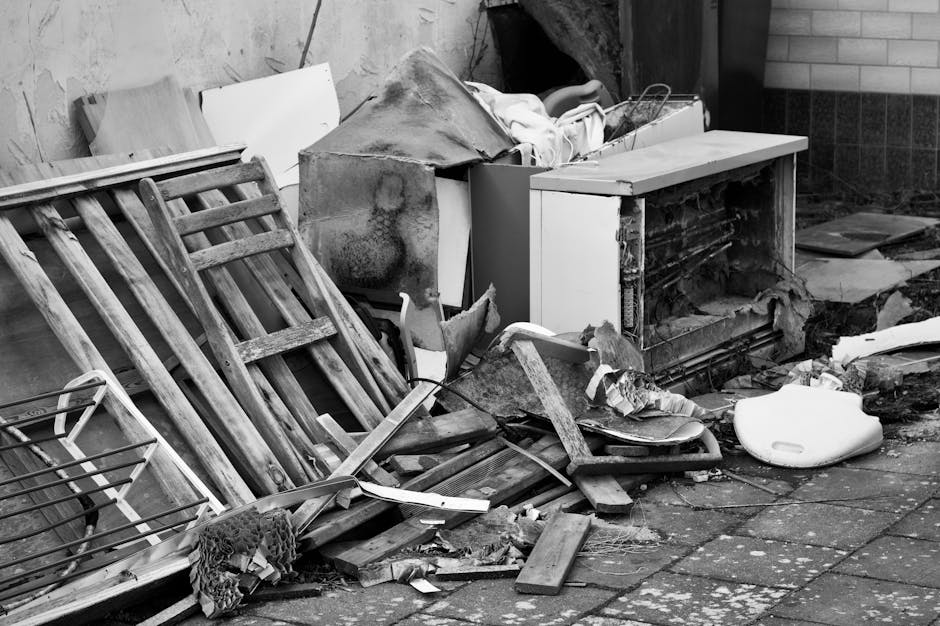
Here is a realistic example based on the kind of shop clearance we see most often in compact London retail settings. A small independent shop in Tufnell Park had accumulated old display shelving, broken stockroom cupboards, cardboard from deliveries, a damaged fridge, and several bags of mixed packaging after a mini refit. Staff had been storing items in the back area because they did not want the shop floor looking untidy during trading hours.
At first glance, the owner assumed the cheapest route would be a skip. But the access was awkward, the street space was limited, and the load included several bulky items that would have been hard for staff to move without help. Once the items were grouped properly, it became clear that a single clearance visit would be simpler and less disruptive.
The practical savings came from three places:
- staff did not spend half a day moving waste themselves
- the collection was completed in one visit rather than drawn out
- the waste route was matched to the actual load, rather than paying for a method that did not suit the site
There was also a soft saving that mattered more than expected. The shop reopened its back-room space, which made stock rotation easier and improved how deliveries were handled. Sometimes that is the real win. Not the invoice number alone, but the fact that the business can function properly again.
The owner also noted that separating the fridge and some metal fittings before collection helped avoid a messy all-in-one pile. It was a small effort, but a useful one. That is often how these jobs go: a few sensible choices up front, and the whole thing becomes far less expensive than it looked on paper.
Expert summary: the best savings in shop rubbish removal usually come from choosing the right disposal method, preparing the load well, and avoiding rushed last-minute clearances. The biggest mistake is paying for convenience without checking whether the waste mix and access actually suit the method you picked.
Practical Checklist
Use this checklist before booking a shop clearance:
- Identify every item that needs to go
- Separate bulky items from general rubbish
- Flag fridges, electronics, and anything sensitive
- Check whether documents need shredding
- Measure access routes and note tight corners
- Choose a time that avoids peak trading pressure
- Ask how the quote is calculated
- Confirm whether labour, loading, and disposal are included
- Prepare a clear path from storage to collection point
- Set aside items that must stay on site
- Review safety risks before the crew arrives
- Keep a quick before-and-after photo record
If your shop also has furniture, fixtures, or leftover household-style items from a mixed-use unit, you may find home clearance or flat clearance useful only where the setting genuinely matches. For most retail jobs, though, sticking to the commercial waste side keeps things cleaner and easier.
Conclusion
The real value of a Tufnell Park shop rubbish removal project is not just that the waste disappears. It is that the business gets time, space, and clarity back. That is what most owners are actually buying, even if they think they are only paying for loading and disposal. When the job is planned properly, the savings show up in fewer labour hours, fewer mistakes, and less disruption to trading.
In our experience, the businesses that save the most are not always the ones with the least waste. They are the ones that prepare the load, choose the right service, and avoid treating clearance as a last-minute scramble. Simple enough, but easy to miss when the stockroom is packed and everyone is busy.
Get a free quote today and see how much you can save.
For a final step, review your waste mix, check your access, and compare the full job rather than just the headline price. A neat clear-out can feel surprisingly good, almost like drawing a line under the old mess and starting again. That part is worth something too.
Frequently Asked Questions
What does shop rubbish removal usually include?
It usually includes the collection and disposal of commercial waste such as packaging, old fixtures, broken furniture, damaged stock, and mixed back-room rubbish. The exact scope depends on the site and the waste type.
How can a shop clear-out save money?
It saves money by reducing staff time, avoiding repeated trips, lowering the chance of hiring the wrong disposal method, and making it easier to separate recyclable items from general waste.
Is a skip always cheaper for shop waste?
Not always. A skip can work well for some larger jobs, but if access is tight or the waste is mixed and bulky, a collection service may be better value overall.
What kind of shop waste is hardest to dispose of?
Bulky fittings, fridges, electrical items, and mixed waste with sharp or awkward components tend to be the hardest. They often need more careful planning than plain cardboard or bagged rubbish.
How do I know if I need a specialist waste service?
If your load includes appliances, confidential materials, heavy furniture, or anything potentially hazardous, specialist handling may be sensible. It is better to ask before collection day than after.
Can shop rubbish removal be done outside trading hours?
Yes, in many cases it can. Early morning or quieter periods are often best because they reduce disruption and make access simpler for staff and customers.
What should I prepare before the clearance team arrives?
Separate the waste, clear access routes, identify anything staying on site, and make sure staff know what is being removed. A small bit of prep goes a long way.
How do I avoid surprise charges?
Give a clear description of the waste, mention access issues, and ask how the quote is based. Photos can help too. Surprises usually come from missing details, not the job itself.
What happens to the waste after collection?
That depends on the material. Some items may be reused, recycled, or sent for specialist disposal. A good provider should be able to explain the general route in plain terms.
Is it worth separating cardboard before collection?
Yes, usually. Flattened cardboard is easier to handle and often more efficient to process than mixed, bulky packaging. It is one of the simplest ways to improve the job.
Do I need to worry about safety during a shop clearance?
Yes, especially in a trading environment. Watch for trip hazards, blocked exits, heavy lifting, and sharp edges. Safety may sound boring, but it stops small jobs from becoming messy ones.
What if my shop also has old office furniture or documents?
Then it may help to combine services such as office clearance and confidential shredding, rather than treating everything as general rubbish. Matching the waste to the right route usually improves both cost and handling.