Fortess Road flat clearance rubbish removal access solutions
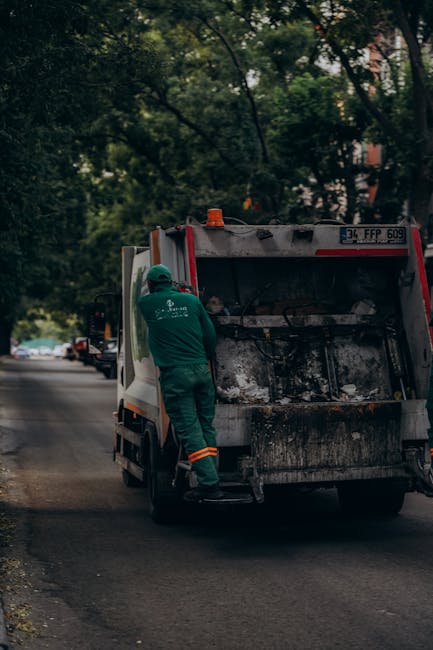
If you are trying to organise a clear-out on Fortess Road, the real challenge is often not the rubbish itself. It is the access. Narrow stairwells, awkward entrances, limited parking, top-floor flats, shared hallways, and the general "where do we put this while it goes out?" problem can turn a straightforward job into a bit of a squeeze. That is exactly why Fortess Road flat clearance rubbish removal access solutions matter so much. Done well, they save time, reduce disruption, and help the whole move-out or declutter job feel a lot less chaotic.
This guide explains how access planning works, what options make sense in a typical Fortess Road flat, and how to avoid the usual mistakes that lead to delays or extra handling. You will also find a practical checklist, a realistic comparison table, and answers to the questions people actually ask before booking a flat clearance. Let's face it, nobody wants three trips up the stairs if it can be avoided.
Why Fortess Road flat clearance rubbish removal access solutions Matters
Fortess Road and the surrounding streets can be straightforward in one sense and annoying in another. A flat may look easy enough to clear until you realise the sofa has to come down a tight staircase, the lift is tiny or unreliable, and the van cannot stop directly outside for long. That is where access planning becomes the difference between a tidy one-visit clearance and a messy, stop-start job that drags on.
Access solutions matter because they shape everything that follows: how many people are needed, what size vehicle is practical, how quickly items can be moved, and whether larger objects need to be dismantled before removal. A good plan also protects walls, floors, and communal areas. Nobody wants scuffed paint on the way out or a neighbour complaining because the hallway was blocked for too long.
There is also a safety angle. Heavy items are awkward in confined spaces, and awkward in a hurry is rarely a good combination. Good access planning reduces the risk of trips, strains, dropped items, and damage to the building. In our experience, the best jobs are the ones where a bit of thought is done before the first box is lifted. Simple, really. But not always done.
For some properties, a flat clearance may also overlap with broader needs such as removing old furniture, clearing a loft or storage space, or handling mixed waste in a managed and sorted way. If you are dealing with more than just a single room, it can help to look at wider service pages like flat clearance, home clearance, or furniture clearance to understand how the work is usually structured.
How Fortess Road flat clearance rubbish removal access solutions Works
At a practical level, the process starts with understanding the property layout and the type of waste or items that need to come out. A one-bedroom flat with two bulky wardrobes is a different job from a larger shared flat with mixed rubbish, broken furniture, and a few awkward appliances. The clearer the access picture, the easier it is to choose the right method.
Here is the usual sequence:
- Assess the access - stair width, lift size, turning space, hallway clearance, entry codes, parking, and distance from flat to vehicle.
- Identify the items - furniture, bagged waste, appliances, mattresses, boxes, or mixed clutter.
- Plan the route - from room to front door, then from building to loading point. This sounds obvious, but it is where jobs often unravel.
- Choose handling method - carry by hand, use sack trucks or dollies where safe, dismantle larger pieces, or stage items in a safe holding area if permitted.
- Load efficiently - place items into the vehicle in a way that reduces extra handling and keeps fragile or sharp waste separate.
- Sort for reuse, recycling, and disposal - especially where furniture or appliances can be separated from general waste.
In a tight-access flat, the trick is usually to reduce the number of trips. That might mean grouping lighter items in sturdy bags, taking apart bed frames in advance, or removing doors from a wardrobe so it passes the corner without a wrestling match. And yes, occasionally a job that looked tiny on paper turns out to have a stubborn chair that does not want to cooperate. Happens more often than people admit.
For heavier household items, it can help to check specialist services such as fridge and appliance removal or mattress and sofa disposal, because these items are often the ones that complicate access the most.
Key Benefits and Practical Advantages
The main advantage of proper access planning is speed, but that is only part of it. There are a few genuinely useful benefits that show up quickly once the job gets underway.
- Less disruption to neighbours - shorter hallway blockages and fewer repeated passes through communal areas.
- Lower risk of damage - careful route planning protects bannisters, walls, and doors.
- More accurate timing - once access is understood, the job estimate tends to be more realistic.
- Better handling of bulky items - large pieces can often be dismantled or removed in sections.
- Improved recycling outcomes - items can be sorted more sensibly when the removal method is planned in advance.
- Less stress for the occupant - you are not left improvising while the van waits outside.
A less obvious benefit is that good access planning can lower the chance of service delays. If the team knows about a narrow staircase, they can bring the right equipment and enough hands. If they know parking is limited, they can plan timing more carefully. That sounds small, but it is the sort of thing that turns a decent job into a smooth one.
Expert takeaway: in flat clearance, access is not a side detail. It is part of the job design. When access is planned properly, the clearance feels calmer, quicker, and much easier on the building.
Who This Is For and When It Makes Sense
This kind of service is useful for a wide range of people, not just landlords or tenants at the end of a tenancy. Truth be told, most flat clear-outs happen because life got busy, messy, or both.
- Tenants who need to empty a flat before moving out and want the place left tidy.
- Landlords and letting agents dealing with leftover furniture, waste, or abandoned items.
- Homeowners who are decluttering before renovation, sale, or a family change.
- Executors and families handling a property after a bereavement, where the job may be emotionally heavy as well as physically awkward.
- Students and sharers who have accumulated more than they expected over a term or two. It happens. Boxes multiply quietly.
- Anyone with bulky waste in a hard-to-access building where lifts, stairs, or parking make DIY removal more trouble than it is worth.
It makes sense whenever the cost of doing it yourself starts to include more than just time. If you would need a second pair of hands, a larger vehicle, or half a day of parking wrangling, professional access solutions may be the saner option. Especially on a street where loading space can be tight, the value is not only in removal, but in planning the removal properly.
People often compare flat clearance to a broader service like house clearance or waste removal. The difference is the access challenge. A flat can be much more awkward than a house of the same size, simply because every item has to negotiate the building on the way out.
Step-by-Step Guidance
If you want a smoother clearance, work through the job in a sensible order. A little preparation goes a long way. Not glamorous, but effective.
1. Walk the route first
Check the stairwell, front door, hallway turns, lift dimensions if there is one, and the street outside. Look for tight corners, low ceilings, and anything that could snag fabric or scratch wood. If the route feels cramped for a suitcase, it will definitely be cramped for a wardrobe.
2. Separate items by type
Put bulky furniture, loose rubbish, recyclable materials, and appliances into different groups. This helps decide what can be lifted quickly and what needs extra care. Mixed piles waste time because you end up stopping and sorting mid-job. Nobody enjoys that.
3. Decide what can be dismantled
Bed frames, shelving, some wardrobes, and flat-pack furniture are often much easier to remove in parts. Dismantling can reduce damage and make the route manageable. Keep screws and fixings in a labelled bag so the job does not become a tiny treasure hunt later.
4. Reserve space for staging
If the building rules allow it, use a safe staging area near the exit so items can be moved in a controlled way rather than carried one by one from the top floor straight to the van. This is especially helpful where access is limited and the team needs to keep passageways clear.
5. Plan the van stop and timing
On busy streets, the best window is not always the obvious one. Early morning may be quieter. Midday may be awkward. If parking is restricted, choose a time that gives the best chance of a legal, practical loading point. That small decision can save a lot of faffing about.
6. Protect the building
Use blankets, corner protection, or careful carrying techniques where needed. Lift properly, keep items balanced, and avoid dragging. The aim is to leave no trace except an empty flat and, ideally, a relieved expression.
7. Load in the right order
Heavier items usually go in first, with fragile or lighter waste secured around them if suitable. Efficient loading matters because poor stacking can mean awkward rearranging at the kerbside, which is nobody's idea of progress.
8. Do a final sweep
Check cupboards, behind doors, and under beds. Some of the most commonly missed things are the small ones: chargers, old documents, a single shoe, a toolbox hidden in a corner. Funny how a "small clear-out" can leave behind a surprisingly stubborn trail.
Expert Tips for Better Results
Here is where a bit of experience makes the job easier. These are the details that do not always show up in a basic checklist, but they matter in real life.
- Measure awkward items before moving day - especially sofas, mattresses, and wardrobes. A tape measure is worth its weight in calm.
- Tell the team about lifts that are unreliable - "usually works" and "works today" are not the same thing.
- Keep communal areas as clear as possible - a tidy route reduces complaints and accidental damage.
- Bundle small waste sensibly - bags that are overfilled split at the worst moment, usually on the stairs.
- Separate anything reusable - good furniture, fixtures, or appliances may be better handled through a more targeted removal route.
- Think about neighbours and timing - a quiet, well-managed start often makes everything easier.
Another useful tip: if the flat has a narrow entrance and a staircase with a sharp turn, imagine the item turning that corner before you lift it. That mental rehearsal sounds simple, but it prevents a lot of "hmm, that's not going to fit" moments.
For mixed household items, it may help to look at related pages such as garage clearance or loft clearance because the same practical thinking often applies: awkward access, hidden clutter, and items that are heavier than they look.
Common Mistakes to Avoid
Most access problems are avoidable. They usually happen because the job was rushed, assumptions were made, or nobody checked the route until the van had already arrived. Easy mistake to make, to be fair.
- Not measuring large items before the day of removal.
- Ignoring parking restrictions and assuming space will just appear.
- Leaving everything in one mixed pile instead of sorting by type or size.
- Forgetting building rules about lifts, loading bays, or communal access.
- Underestimating the time needed for top-floor flats, especially with bulky items.
- Trying to move unsafe loads alone when a second person or different approach is needed.
- Not warning the removal team about tight stairs, low ceilings, or fragile flooring.
A common one is assuming that "flat clearance" means the same thing as "throw everything out quickly." It does not. A well-managed clearance balances speed with care. That is the whole game. Move fast enough to stay efficient, but carefully enough that you do not create a new problem while solving the old one.
Tools, Resources and Recommendations
You do not need a warehouse full of equipment to get a good result, but a few sensible tools make life easier.
- Measuring tape for doors, furniture, hallways, and lift dimensions.
- Strong gloves for grip and protection.
- Heavy-duty bags or boxes for smaller loose waste.
- Furniture blankets or wraps to reduce scuffing on corners and surfaces.
- Sack truck or trolley where the route and item shape make it safe to use.
- Labelled bags or tubs for screws, fixings, and small parts after dismantling.
- Phone flashlight for dark cupboards, loft hatches, and the corners everyone forgets.
On the service side, it can be useful to review supporting pages that explain how disposal is handled and what happens to different waste streams. For example, recycling and sustainability can help set expectations about sorting and diversion from landfill, while pricing and quotes is useful if you are trying to compare options without guessing.
If your clearance includes awkward special items, those pages can also help you plan ahead: hazardous waste disposal for restricted materials, or confidential shredding where paperwork or sensitive documents need a more careful route.
Law, Compliance, Standards, or Best Practice
For flat clearance in London, the big practical rule is simple: waste should be handled responsibly and transferred to a legitimate carrier or disposal route. You do not need to be a legal expert to make sensible choices, but you do need to avoid casual shortcuts. Leaving rubbish in a communal area, fly-tipping, or using an unknown remover is asking for trouble.
Good practice usually includes the following:
- Use a responsible waste carrier and ask clear questions about disposal.
- Keep common areas unobstructed as much as possible during the clearance.
- Protect building surfaces where items may scrape or knock.
- Separate hazardous or restricted items so they are dealt with properly.
- Respect access agreements and building rules if there is a managed block, concierge, or landlord instruction.
If the property is in a block with shared hallways, lifts, or loading constraints, it is worth being extra careful about timing and communication. You may need to let building management know if a large clearance is taking place. That is not bureaucracy for its own sake; it usually prevents awkward friction on the day.
It is also sensible to check the provider's safety and insurance information. Pages such as insurance and safety and health and safety policy are useful trust signals when you are comparing options. If you are a tenant or landlord, those details can be more reassuring than a slick sales line. Fair enough, really.
Options, Methods, or Comparison Table
There is no single best method for every flat. The right choice depends on access, volume, item type, and how quickly the space needs clearing. Here is a simple comparison to help.
| Method | Best for | Access impact | Strengths | Limitations |
|---|---|---|---|---|
| Full flat clearance | Mixed items, complete clear-outs, end-of-tenancy jobs | Can be demanding in tight buildings | Fast, comprehensive, less stress for the occupier | Needs good planning and clear route access |
| Selective rubbish removal | Smaller volumes, a few bulky pieces, targeted waste | Lower impact overall | Flexible, often quicker to organise | May not suit large or heavily cluttered flats |
| Furniture-focused removal | Sofas, beds, wardrobes, tables, white goods | High impact if items are oversized | Useful where access is the main hurdle | Some items may need dismantling |
| Room-by-room clearance | Gradual decluttering or occupied properties | Controlled and manageable | Less disruptive, easier to stage items | Can take longer overall |
For many Fortess Road flats, a selective or furniture-led approach works best when the main issue is access rather than sheer volume. If the flat is nearly empty already, a full clearance may be simpler. If you are just trying to remove a sofa, a mattress, and a few bags, a lighter-touch removal can be a better fit.
Related services such as builders waste clearance can be useful after renovations, while office clearance may be relevant if the property is being repurposed or combined with work-from-home setup changes. Not every job is a perfect fit for the same method, and that is fine.
Case Study or Real-World Example
Picture a typical top-floor flat on or near Fortess Road. The occupant is moving out, the staircase is narrow, and there is a sofa, a bed frame, two shelving units, and around a dozen bagged items. On paper, not a huge job. In reality, the hallway has one tight bend, the building entrance opens onto a busy street, and parking is limited for most of the day.
The sensible approach is to measure the sofa first, decide whether it can turn the corner intact, and check whether the bed frame should come apart before removal. The shelves are lighter but awkward, so they are wrapped or carried one at a time. The bagged items are grouped near the front door to avoid constant back-and-forth. The vehicle is positioned for the shortest possible loading walk, and the team keeps the communal hallway clear. Simple moves, but they stack up.
What changed the whole experience was not brute force. It was planning. The job finished more quickly, the flat was left clean, and there was no last-minute wrestling match with a piece of furniture that clearly wanted to stay put. You know the type. Every building has one.
That is the practical value of good access solutions: fewer surprises, fewer delays, and a job that feels under control from the start.
Practical Checklist
Use this checklist before the clearance day, especially if access is tight or the property is on an upper floor.
- Measure doors, stair turns, lift size, and any awkward furniture pieces.
- Confirm whether the building has loading restrictions or time windows.
- Check parking availability near the entrance.
- Group waste into clear categories: furniture, bagged rubbish, appliances, recyclable items.
- Dismantle larger items where sensible and safe.
- Keep screws, fittings, and small parts together in labelled bags.
- Protect flooring and walls if items will pass close to them.
- Tell the removal team about any tight corners, codes, or entry procedures.
- Set aside anything you are keeping so it is not accidentally removed.
- Do a final room-by-room sweep before the vehicle leaves.
Quick practical note: if you are standing in the hallway on the day and thinking, "that looks tighter than I remembered," you are probably right. Trust that instinct and slow the process down for a minute. It saves trouble.
Conclusion
Fortess Road flat clearance rubbish removal access solutions are really about making a complicated job feel manageable. The flat may be small, but the access can be the tricky part, and that is where a bit of care pays off. With a proper route check, sensible sorting, realistic timing, and the right handling method, even a cramped clearance becomes much more straightforward.
The big lesson is not complicated: plan the access first, then move the items. That one shift reduces stress, protects the building, and usually saves time too. Whether you are clearing a single bulky item or an entire flat, a measured approach is almost always the better one. And honestly, it leaves everyone in a better mood afterwards.
If you are comparing options or getting ready for a move, review the relevant service pages, note the access details, and choose the approach that fits the property rather than forcing the property to fit the job.
Get a free quote today and see how much you can save.
Frequently Asked Questions
What are Fortess Road flat clearance rubbish removal access solutions?
They are the practical methods used to remove rubbish, furniture, and mixed items from flats on or around Fortess Road where access is tight, such as narrow stairs, small lifts, or limited parking. The goal is to make the clearance safe, efficient, and less disruptive.
Why does access matter so much in a flat clearance?
Access affects how quickly items can be moved, how many people are needed, whether furniture must be dismantled, and how much risk there is of damage. In a flat, the route out is often the hardest part of the whole job.
Do I need to dismantle furniture before removal?
Not always, but it often helps. If a bed frame, wardrobe, or shelving unit is too awkward for the stairwell or lift, dismantling can make the job safer and faster. If you are unsure, measure first and decide based on the route.
Can a flat clearance be done if parking is very limited?
Yes, but it needs better planning. The team may need to work around loading restrictions, choose a quieter time, or position the vehicle carefully. Limited parking is common in London, so it is usually manageable with advance notice.
What items cause the most access problems?
Sofas, mattresses, wardrobes, fridge freezers, and large bed frames are usually the biggest headaches. They are bulky, awkward to turn, and easy to scrape against walls if the route is tight.
How do I prepare a flat for rubbish removal?
Separate items by type, measure large pieces, clear a route to the front door, and keep anything you want to keep in a different room. If possible, group bags and loose waste together so they can be moved efficiently.
Is flat clearance better than DIY rubbish removal?
For many people, yes, especially where the flat has stairs, restricted parking, or large items. DIY can work for small amounts, but once access becomes awkward, the time, effort, and risk often outweigh the savings.
What should I ask before booking a removal service?
Ask how they handle tight access, whether dismantling is included or available, what happens with recycling, and whether they have insurance and safety procedures in place. Those details matter more than a vague "we can take anything" promise.
Can access solutions help with end-of-tenancy clearances?
Absolutely. End-of-tenancy jobs often need to be done quickly and neatly, and the access plan can make the difference between a smooth handover and a rushed, messy exit. A clear route and sensible timing are especially useful here.
What if my flat has a lift but it is tiny?
Then you may still need to treat the job like a stair-only clearance for larger items. Small lifts can help with bags and lighter waste, but bulky furniture may still need dismantling or a different approach.
How can I avoid damage to walls and floors during clearance?
Use protection where needed, keep the route clear, and move items slowly through tight corners. Good handling matters more than speed in cramped spaces. That said, a well-planned job is usually both safer and quicker.
Are there any items that need special handling?
Yes. Appliances, hazardous materials, and confidential documents often need extra care or separate handling. If you have items like old fridges, paints, chemicals, or paperwork, mention them early so they can be dealt with appropriately.
How do I know if my flat is suitable for a quick clearance?
If the route to the exit is clear, the items are already grouped, and there is reasonable parking or loading access, the job is usually straightforward. If the flat has tight corners, a long carry to the vehicle, or oversized furniture, more planning will be needed.
What is the best next step if I am unsure about access?
Walk the route, measure the awkward items, and note any restrictions before you book. A few minutes of checking can prevent a lot of hassle on the day. Sometimes that is all it takes.